

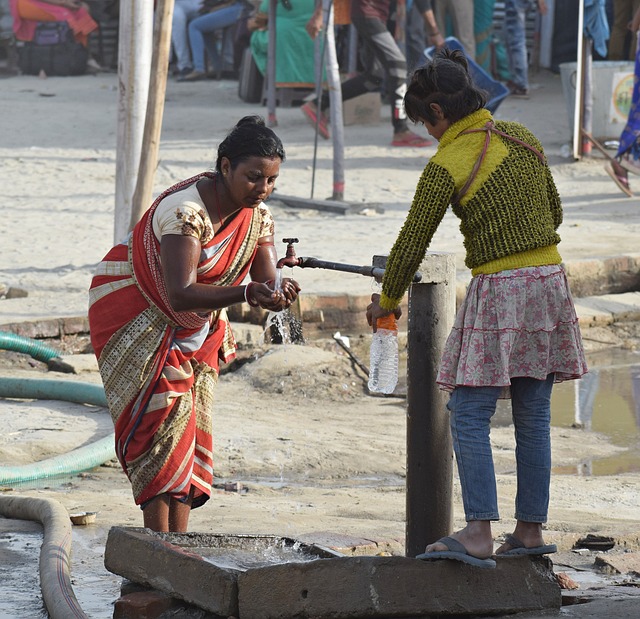
Project Overview: The project aims to provide clean and safe drinking water to rural communities in Nepal, along with promoting sanitation and hygiene practices to improve overall health outcomes. By implementing water supply systems and conducting hygiene education programs, the project seeks to reduce waterborne diseases and improve the quality of life for residents in the target areas.
Project Objectives:
- To provide access to clean and safe drinking water for 1,000 households in the target communities.
- To improve sanitation facilities, including the construction of latrines, in 500 households.
- To reduce the incidence of waterborne diseases by 50% in the target areas.
- To promote hygiene education and behavior change among community members.
Project Activities:
- Construction of water supply systems, including wells, hand pumps, and piped water systems, to provide access to clean water.
- Installation of water purification systems and training community members on their use and maintenance.
- Construction of latrines and sanitation facilities in households and schools.
- Hygiene education sessions for community members, focusing on handwashing, sanitation, and safe water storage practices.
- Establishment of community water management committees to oversee the maintenance of water supply systems and promote sustainable water management practices.
Project Location: The project is implemented in rural villages in the Sindhupalchowk district of Nepal, where access to clean water and sanitation facilities is limited.
Project Partners:
- Local government authorities
- Community-based organizations
- International NGOs specializing in water and sanitation
Project Timeline: The project is planned to be implemented over a period of two years, with ongoing monitoring and evaluation to assess its impact and effectiveness.
Expected Impact:
- Improved access to clean and safe drinking water for target communities.
- Reduction in waterborne diseases and related health issues.
- Increased awareness and adoption of hygiene practices.
- Improved overall quality of life for residents in the target areas.
Budget: The total budget for the project is estimated at $200,000, covering expenses related to infrastructure, equipment, training, and monitoring and evaluation.
Monitoring and Evaluation: The project will be monitored and evaluated through regular assessments of key indicators, including water quality, sanitation coverage, incidence of waterborne diseases, and community feedback. Adjustments to the project activities will be made based on the findings of the monitoring and evaluation process to ensure its effectiveness and sustainability.
Sustainability Plan: To ensure the sustainability of the project outcomes, efforts will be made to build the capacity of local communities to manage and maintain water supply systems and sanitation facilities. Community-based organizations and water management committees will be supported to continue the project’s initiatives and promote sustainable water and sanitation practices in the long term.
