

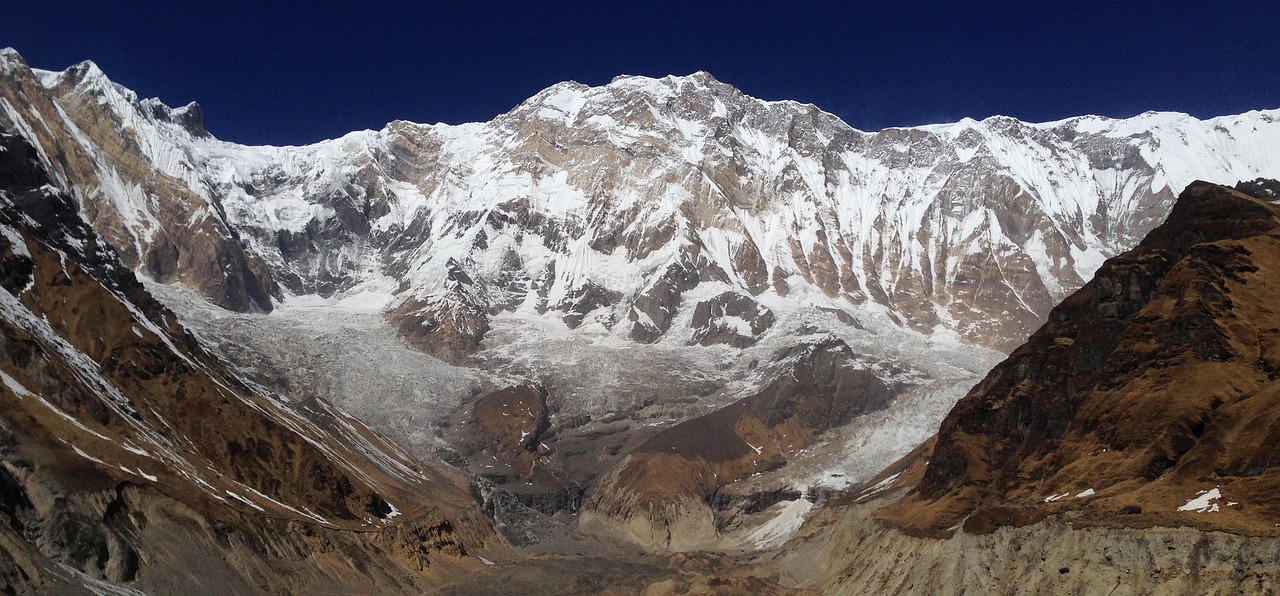
Project Overview: The Himalayan Waste Management Initiative aims to address the growing problem of waste accumulation in the Himalayan region, particularly in trekking and mountaineering areas. The project focuses on implementing sustainable waste management practices to mitigate environmental degradation and preserve the natural beauty of the Himalayas. Key objectives include:
- Waste Collection and Segregation: Establishing waste collection points along popular trekking routes and mountaineering campsites. Implementing a system for segregating waste into recyclable, organic, and non-recyclable categories to ensure proper disposal.
- Community Engagement and Education: Conducting workshops and awareness campaigns in local communities and among trekkers and mountaineers to promote responsible waste disposal practices. Encouraging the use of eco-friendly products and reducing single-use plastics.
- Infrastructure Development: Building or upgrading waste management infrastructure, such as recycling facilities, composting units, and incinerators, to process waste efficiently and minimize environmental impact.
- Partnership and Collaboration: Collaborating with local authorities, trekking agencies, and environmental organizations to leverage resources and expertise for effective waste management. Seeking support from government agencies and international organizations for funding and technical assistance.
- Monitoring and Evaluation: Implementing a monitoring and evaluation framework to assess the effectiveness of waste management interventions. Collecting data on waste generation, collection rates, and environmental impact to inform future strategies and improvements.
The Himalayan Waste Management Initiative aims to create a sustainable model for waste management in mountainous regions, demonstrating the potential for environmental conservation through community engagement and innovative solutions.
